
Exploring Arizona offers a profound historical journey through its rich cultural tapestry, ancient ruins, and natural wonders. Key sites like the Pueblo Grande Museum, Petroglyph National Park, Tumacácori National Historical Park, Casa Grande Ruins National Monument, and the Grand Canyon provide insights into indigenous cultures, Spanish colonialism, and the Mexican-American War. Arizona Travel Tips guide visitors to appreciate these sites more deeply by suggesting respect for cultural landmarks, preparing for diverse climates, and studying historical contexts. The state's national monuments and parks, such as Petrified Forest National Park, Montezuma Castle National Monument, and Canyon de Chelly National Monument, offer a glimpse into prehistoric times alongside the Grand Canyon's natural splendor. For those interested in Arizona's military history, sites like Fort Bowie National Historic Site and Fort Verde State Historic Site offer tangible connections to American expansion and frontier defense. Towns like Prescott and Tombstone, steeped in Wild West lore, complement the state's military heritage with their preserved structures and historical reenactments. Museums such as the Heard Museum in Phoenix and the Arizona State Museum in Tucson provide enriching experiences for understanding Arizona's indigenous cultures, colonial history, and frontier development. Arizona Travel Tips emphasize these sites' importance to fully appreciate the state's enduring legacy and contribute to the preservation of its cultural tapestry.
Embark on a captivating journey through time with our exploration of Arizona’s historical treasures. This article offers an enlightening itinerary for those eager to delve into the state’s rich tapestry of history, from its ancient inhabitants to its pivotal role in the nation’s expansion. Discover Arizona’s iconic sites, national monuments, and parks that stand as silent witnesses to bygone eras. Traverse through prehistoric ruins and petroglyphs that whisper tales of civilizations long past. Venture to the remnants of Arizona’s military outposts and frontier towns, each with its own story of courage and conflict. Conclude your historical adventure by visiting Arizona’s museums and heritage sites, where artifacts and narratives provide a deeper understanding of the state’s diverse cultural legacy. With Arizona Travel Tips guiding your exploration, you’ll gain insights into the land’s storied past and the enduring spirit of its people.
- Unveiling the Rich Past: A Guide to Arizona's Iconic Historical Sites
- The Grand Tour: Exploring Arizona's National Monuments and Parks
- Ancient Wonders: Discovering Arizona's Prehistoric Ruins and Petroglyphs
- Forts and Frontiers: Arizona's Historical Military Outposts and Towns
- Cultural Mosaics: Arizona's Museums and Heritage Sites for a Deeper Understanding
Unveiling the Rich Past: A Guide to Arizona's Iconic Historical Sites
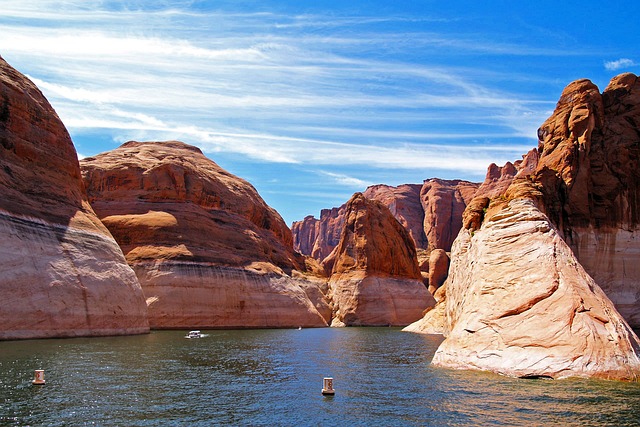
Arizona boasts a diverse array of historical sites that offer a captivating glimpse into its storied past. For those intrigued by the state’s rich heritage, Arizona Travel Tips suggest prioritizing visits to landmarks such as the Pueblo Grande Museum, which provides insight into the Hohokam culture, and the nearby Petroglyph National Park, where ancient rock carvings narrate a silent history. The Grand Canyon, a natural wonder and UNESCO World Heritage site, also holds cultural significance, with layers of history ranging from Ancestral Puebloan settlements to the pioneering exploits of explorers like John Wesley Powell.
As travelers delve into Arizona’s past, they will encounter the well-preserved fortresses and missions that tell tales of Spanish colonialism and the Mexican-American War. These include the Tumacácori National Historical Park, where the ruins of mission churches stand as a testament to the area’s early European influence. Meanwhile, the Casa Grande Ruins National Monument offers an enigmatic look at the prehistoric Sonoran Desert culture that built the impressive Casa Grande structure. To fully appreciate Arizona’s historical richness, visitors are encouraged to follow Arizona Travel Tips and explore these sites with respect for their significance, enhancing their understanding of the state’s layered history and the indigenous cultures that have shaped its identity.
The Grand Tour: Exploring Arizona's National Monuments and Parks

Arizona’s rich tapestry of national monuments and parks offers a journey through time, inviting explorers to embark on a grand tour that reveals the state’s diverse historical narratives. Each site serves as a unique chapter in the broader story of the American Southwest, showcasing natural wonders and cultural artifacts that are both enlightening and breathtaking. For those planning an Arizona adventure, travel tips include preparing for varied climates, packing essential gear for hiking and photography, and studying the historical context of each destination to enhance the experience. The Petrified Forest National Park, with its otherworldly petrified trees and Puebloan ruins, offers a glimpse into prehistoric life, while the Montezuma Castle National Monument stands as an impressive testament to ancient civilizations. Visitors can also marvel at the Grand Canyon’s vast expanse, a geological marvel that demands respect for its natural grandeur and the indigenous cultures whose history is etched into its landscape. Arizona travel tips emphasize the importance of respecting these sacred sites, adhering to park regulations, and engaging with rangers and guides who can provide deeper insights into each location’s significance. By following these guidelines and embracing the spirit of exploration, travelers will find that Arizona’s national monuments and parks offer not just a visual feast but also an educational journey into the heart of the state’s storied past.
Ancient Wonders: Discovering Arizona's Prehistoric Ruins and Petroglyphs
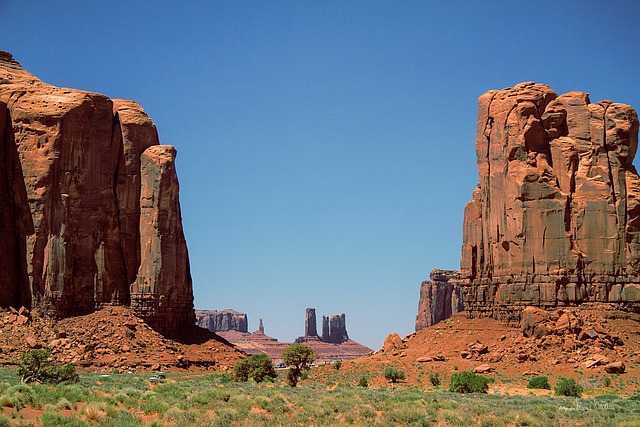
Arizona’s ancient wonders offer a captivating glimpse into the lives of its earliest inhabitants, providing travelers with an immersive experience into prehistoric times. The state is dotted with ancient ruins and petroglyphs that serve as testaments to the sophistication and artistry of its indigenous peoples. Monument Valley, a iconic landscape featured in countless Western films, holds sacred structures like the Sunset Highway, where theMittens rock formations stand as silent sentinels of history. Nearby, Canyon de Chelly National Monument is home to some of the most preserved ancient dwellings and petroglyphs in the region, which can be explored with a Navajo guide for an enriching cultural experience. Arizona travel tips for these sites include planning visits during milder seasons, as temperatures can soar, and respecting the sanctity of the lands by adhering to park regulations and guidelines.
Delving deeper into Arizona’s prehistoric past, visitors can explore the Casa Grande Ruins National Monument, where the ancient Hohokam people left behind a multi-story granary that remains a mystery to this day. The Puebloan cliff dwellings at Wupatki National Monument and the petroglyphs at Petroglyph National Park in the Sonoran Desert provide further insights into the adaptive strategies of these early civilizations. Each site offers a unique perspective on Arizona’s history, with interpretive trails and exhibits that enhance understanding of the cultural significance and technological achievements of these ancient communities. Travelers are encouraged to engage with local historians and rangers who can provide context and enrich the experience with their knowledge. Arizona travel tips for these sites emphasize the importance of staying on designated paths to preserve these irreplaceable historical treasures.
Forts and Frontiers: Arizona's Historical Military Outposts and Towns
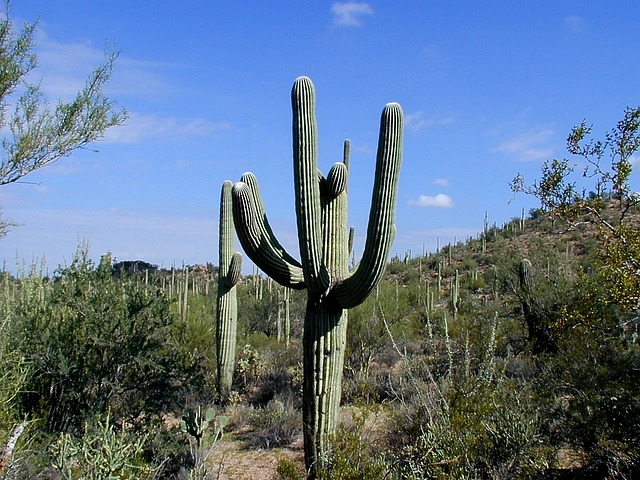
In Arizona, the remnants of historical military outposts and frontier towns offer a glimpse into the state’s pivotal role in American expansion and defense. Fort Bowie National Historic Site stands as a testament to this era, where visitors can explore the ruins of this once bustling army post that served as a staging ground for campaigns against the Apaches led by Geronimo. Arizona Travel Tips suggest including this site in any itinerary focused on history and military heritage. Nearby, Fort Verde State Historic Site showcases another facet of Arizona’s past, with its well-preserved buildings offering an insightful look into frontier life during the late 19th century. These sites not only provide a deeper understanding of the state’s pivotal role in American history but also offer a unique cultural experience for travelers.
The legacy of Arizona’s military outposts and frontier towns extends beyond their historical significance, offering modern-day explorers a chance to engage with the past in a tangible way. Arizona Travel Tips recommend visitors take time to learn about the various conflicts and peacekeeping efforts that were central to these forts’ operations. Towns like Prescott, which grew alongside Fort Whipple, and Tombstone, known as “The Town Too Tough to Die,” are rich with stories of the Wild West and the spirit of Arizona. Each site offers a window into the resilience and resourcefulness of those who lived and worked along these frontiers, making them invaluable for anyone interested in the American West’s history.
Cultural Mosaics: Arizona's Museums and Heritage Sites for a Deeper Understanding

Arizona’s rich tapestry of cultures is on full display at its array of museums and heritage sites, offering visitors a profound understanding of the state’s storied past. The Heard Museum in Phoenix stands out as a premier destination for cultural exploration, showcasing Native American art and cultural artifacts with exhibits that change regularly to ensure an ever-evolving and enriching experience. Arizona Travel Tips advise including this museum in your itinerary, as it offers a window into the lives and traditions of indigenous peoples, providing a deeper appreciation for their contributions to Arizona’s history.
Venturing beyond Phoenix, travelers can immerse themselves in the history of the Old West by visiting Tombstone, a town frozen in time since the 19th century. Here, reenactments and well-preserved buildings bring the past to life, while nearby Fort Bowie National Historic Site allows visitors to walk the grounds where soldiers once stood guard against Apache raids. The Arizona State Museum on the University of Arizona campus in Tucson is another must-visit, featuring a vast collection that spans the prehistoric period to modern times. Arizona Travel Tips suggest utilizing these sites as a means to explore the state’s diverse cultural heritage, from ancient Anasazi cliff dwellings to Spanish colonial forts and American frontier towns, each offering unique perspectives on the evolution of Arizona’s cultures.
Exploring Arizona offers a window into the diverse tapestry of human history that spans thousands of years. From the ancient cliff dwellings and petroglyphs of the indigenous peoples to the frontier forts and national monuments that bear witness to pivotal moments in American history, each site invites visitors on a journey through time. Arizona’s historical sites not only enrich our understanding of the state’s past but also provide critical insights into broader cultural narratives. To fully appreciate Arizona’s rich heritage, travelers should heed Arizona Travel Tips that emphasize respect for these sacred and significant locations. By planning visits to landmarks like Tumacácori National Historical Park and Fort Verde State Historic Site, and engaging with the exhibits at Arizona’s museums, one can gain a deeper appreciation for the state’s multifaceted history. These experiences are not just educational; they offer a profound connection to the layers of human experience that have shaped the region.

