This site shares Arizona travel tips: how the state’s regions differ, when to visit each, how to stay safe in desert heat and monsoon storms, practical details like time zones and road conditions, and ideas for trips on any budget. The articles below go into specific trips and themes. This page is the overview.

Arizona isn’t one climate
Arizona ranges from low desert near sea level to mountains over 12,000 feet. The same week can bring 100-degree days in the desert and snow in the high country. A rough guide to the regions:
- Low desert (Phoenix, Yuma, parts of Tucson): mild winters, very hot summers.
- High desert and grasslands (southeastern Arizona, Sonoita, Willcox): warm summers, cooler nights, occasional winter snow.
- Red rock country (Sedona, Verde Valley): mild spring and fall, hot summers.
- The Colorado Plateau and mountains (Flagstaff, the Grand Canyon, the White Mountains): cool summers and real winters.
When to visit
- Winter and spring are peak season in the desert.
- Summer is the time for the high country; in the low desert, plan outdoor activities for early morning.
- Monsoon season runs roughly mid-June through September, with dramatic afternoon storms, lightning, dust storms and flash floods.
- Fall brings comfortable weather almost everywhere.
Heat safety
- Carry more water than you think you need, and drink before you’re thirsty.
- Hike early, and turn back if you’ve used half your water.
- Wear a hat, sunglasses and sunscreen.
- Never leave people or pets in a parked car.
- Learn the signs of heat exhaustion and heat stroke, and get help fast if someone stops sweating or becomes confused.
Monsoon and dust storm safety
Summer storms can produce sudden dust storms that drop visibility to near zero. If you’re caught driving in one, the state’s advice is “Pull Aside, Stay Alive”: pull off the road as far as possible, turn off your lights, take your foot off the brake, and wait. Never drive into flooded washes; flash floods can sweep vehicles away. Check AZ 511 for road conditions before travel.
Practical details
- Time zone: most of Arizona doesn’t observe daylight saving time, so its clock offset changes relative to other states during the year. The Navajo Nation in the northeast does observe it.
- Distances: towns can be far apart. Fill up, carry water, and download maps for areas with weak cell service.
- Tribal lands: many popular destinations are on tribal land with their own rules, permits and fees. Check before you go.
- Parks: popular national parks may have timed-entry or reservation systems at busy times.
See apps that simplify Arizona travel.
Highlights to consider
- Grand Canyon National Park: the South Rim is open year-round; the North Rim is seasonal.
- Saguaro National Park on both sides of Tucson.
- Organ Pipe Cactus National Monument in the Sonoran Desert near the border.
- Sedona and the Verde Valley for red rocks and wineries.
- Southern Arizona for historic missions, birding and wine country around Sonoita.
- Arizona State Parks for lakes, caves, trails and camping.
See an Arizona road trip itinerary, a nature lover’s guide and top photo spots.
Sample trip ideas
- A southern Arizona loop: Tucson, Saguaro National Park, the Sonoita wine country, Bisbee and Tombstone.
- Red rocks and canyons: Sedona, the Verde Valley and the Grand Canyon’s South Rim, ideally in spring or fall.
- A summer escape: Flagstaff, the White Mountains and high-country lakes while the desert bakes.
- A winter desert trip: Phoenix, Tucson and Organ Pipe Cactus National Monument, when the desert is at its most comfortable.
Build in rest days. Arizona’s distances are long, and the best views are often at sunrise and sunset.
Traveling on a budget
- Consider an annual national parks pass if you’ll visit several federal sites.
- Travel in shoulder seasons for lower lodging prices.
- Picnic at scenic pullouts and parks.
- Look for free museum days and local markets.
See Arizona on a shoestring budget and Arizona’s markets.
For a closer look at southern Arizona, see the Tucson travel tips guide and the Sonoita wine country guide. Driving on to New Mexico? See the New Mexico travel tips guide. For the basics in one place, see the complete guide to Arizona travel tips. The newest articles on this site are listed below.
Category: Arizona Travel Tips
Arizona Travel Tips — Complete Guide
Read more →
Simplify Arizona Travel: Top Apps for Every Adventure
First Arizona trip? Essential apps include Google Maps for navigation, TripAdvisor for reviews, and.......
Read more →

Arizona Adventures: Nature Lovers' Guide to Outdoor Exploration
Arizona's diverse landscapes offer nature enthusiasts a range of outdoor adventures. Key attrac.......
Read more →
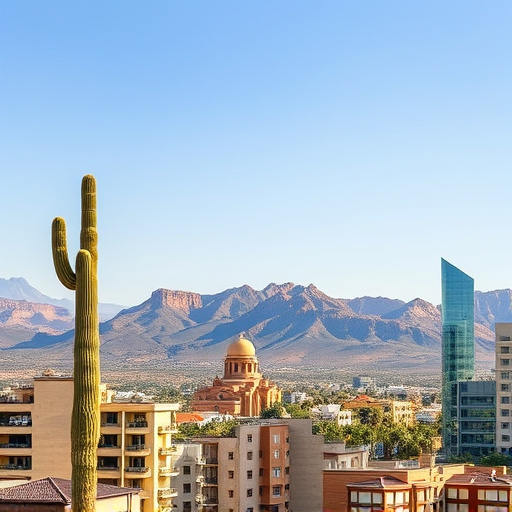
Unveiling Arizona: Diverse Experiences from Desert to Urban
Arizona Travel Tips offer a diverse range of experiences, from exploring vast deserts and towering m.......
Read more →
Unleash Arizona's Charm on a Shoestring Budget
Arizona Travel Tips: Plan off-peak trips for better deals, explore diverse accommodation like hostel.......
Read more →

Affordable Arizona Adventure: Tips for Every Traveler's Budget
Arizona Travel Tips offer budget-friendly strategies for exploring Arizona's beauty and culture.......
Read more →

Unveiling Arizona's Stunning Scenery: Top Photo Spots & Tips
Arizona's diverse landscapes offer ideal photo opportunities, with iconic spots like the Grand.......
Read more →

Unveiling Arizona's Markets: Unique Finds for Every Traveler
Arizona Travel Tips highlight hidden market treasures offering authentic cultural experiences. Key m.......
Read more →
Arizona Travel Tips: Explore Without Overspending
Arizona Travel Tips offer strategic choices for exploring the state's vibrant attractions on a.......
Read more →