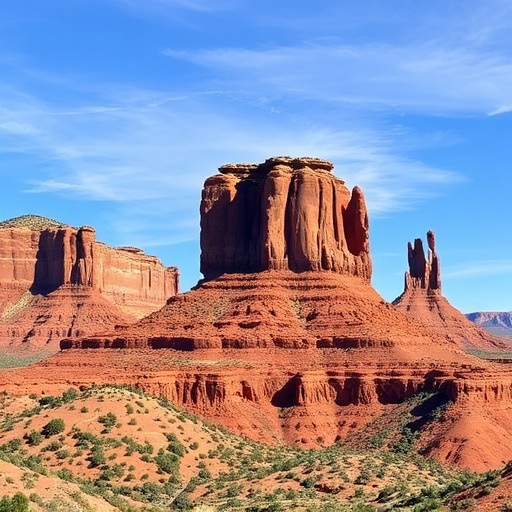
Arizona's diverse landscapes, from the towering peaks of the San Francisco Peaks to the vast stretches of the Sonoran Desert, draw millions each year. For first-time visitors, planning a trip to this beautiful state can feel overwhelming. This guide is your compass, designed to navigate the complexities of a successful Arizona adventure, whether you're exploring Monument Valley, hiking in Sedona's red rocks, or seeking out lesser-known options like Bisbee's historic downtown. We'll examine the best times to visit, practical travel tips, and expert-recommended itineraries to ensure your trip is as memorable as it is safe.
- Planning Your Arizona Adventure: Essential Preparations
- Exploring Southern Arizona's Wine Country: A Guide
- Monument Valley & Beyond: Immerse in Cultural Wonders
- Navigating Arizona's Natural Wonders: Safety & Etiquette Tips
Planning Your Arizona Adventure: Essential Preparations
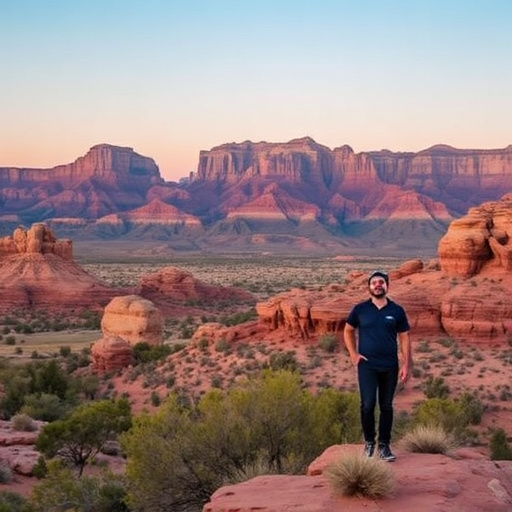
Planning your Arizona adventure involves more than just packing your bags and heading south. To truly experience the state's breathtaking landscapes and rich cultural heritage, preparation is key. Arizona, especially southern Arizona, is a desert environment, so proper planning ensures a safe and enjoyable trip.
First-time visitors often overlook the importance of acclimatization. Arizona's desert terrain can be demanding, with varying temperatures between day and night. A Tucson-based tour company with an electric van recommends bringing plenty of water, as dehydration is a real concern. Pack light, breathable clothing for warm days and a jacket for cooler evenings. Consider a south rim trip to Monument Valley, where the stark contrast of red rock formations against the blue sky is a sight to behold. But remember, the desert can be unforgiving; always check weather forecasts and stay on marked trails when exploring.
Another crucial aspect is timing your visit. Spring and fall offer mild temperatures, ideal for hiking and exploring. However, summer brings scorching heat, and winter can be unpredictable. A sudden monsoon can turn a hot day into a flash flood. Respect the natural rhythms of the desert and plan accordingly. Arizona's state parks, like Picacho Peak, offer diverse ecosystems and are excellent for wildlife spotting. Keep an eye out for local flora like the iconic saguaro cactus and listen for the calls of desert birds.
Before you embark on your journey, familiarize yourself with local regulations, especially when visiting protected areas like the Organ Pipe Cactus National Monument. Consider booking guided tours with experienced local guides who can share insights into the region's geology, history, and unique ecosystems. These experts will ensure you make the most of your time in Arizona, whether you're exploring the vibrant art scene in Tubac or examining the rich history of Tombstone.
Exploring Southern Arizona's Wine Country: A Guide

Exploring Southern Arizona's Wine Country offers a unique blend of natural beauty, cultural heritage, and culinary delights that many first-time visitors to Arizona might miss. This region, stretching from the foothills of the Santa Catalina Mountains to the borders of Mexico, is home to vibrant communities, historic towns, and some of the state's most scenic landscapes. A day trip through the heart of this wine country can take you from rolling green hillsides to ancient rock formations, and from charming, historic buildings to modern vineyards.
The best way to experience this diverse region is by car, allowing for flexibility and the opportunity to stop at attractions along the way. A scenic drive along Arizona Highway 83 or State Route 57 offers stunning vistas of the Chiricahua National Monument and the towering peaks of the Huachuca Mountains. Along these routes, you'll pass through small towns like Bisbee, known for its rich mining history and unique architectural heritage, and Sierra Vista, a vibrant community that serves as a gateway to nearby state parks. For those looking for a longer excursion, a 3-day road trip through this wine country can easily include visits to Monument Valley, renowned for its iconic red rock formations that have been featured in countless western films, and the state's many state parks, each offering its own distinct natural and cultural experiences.
Local southern Arizona tour guides recommend planning your visits with the changing seasons in mind. Spring and fall offer milder temperatures, ideal for outdoor activities and exploring the many hiking trails in the region. Summer days can be scorching hot, requiring careful planning and adequate hydration when visiting state parks like Picacho Peak or Kartchner Caverns, both popular destinations for visitors seeking to beat the heat. Winter brings a different kind of beauty, with opportunities to enjoy scenic drives and visit historic sites in more temperate conditions. No matter the season, remember to check local weather forecasts and bring sufficient water, especially when embarking on longer hikes or day trips to remote locations like Organ Pipe Cactus National Monument.
Monument Valley & Beyond: Immerse in Cultural Wonders
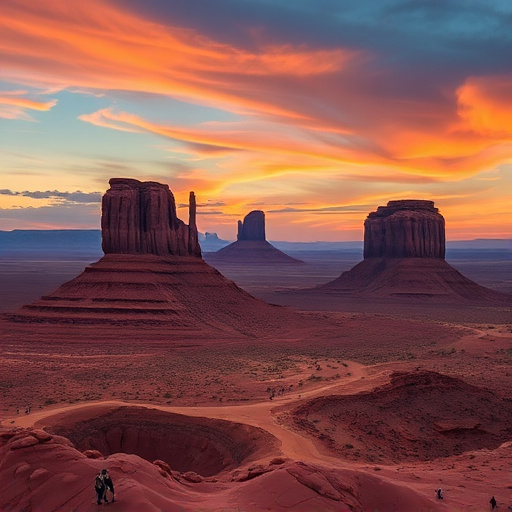
Upon arrival in Arizona, visitors are immediately greeted by the state's breathtaking landscapes and rich cultural heritage. Monument Valley, with its iconic spires and buttes, stands as a sign of the region's unique beauty. This is not just a place to visit; it's a gateway to understanding the Navajo Nation and its deep-rooted traditions. For first-time visitors, immersing yourself in Monument Valley and its surrounding areas can be a life-changing experience.
A road trip through Monument Valley offers a chance to explore not just the famous mesas, but also the small communities and lesser-known options that dot the high country. Consider a visit to the historic town of Page, where the Colorado River creates a stunning contrast with the red rocks. Nearby, Antelope Canyon offers a mesmerizing look into nature's art, though reservations are required well in advance due to limited access. Further east, the Grand Canyon, while not strictly in Monument Valley, is a must-see on any Arizona itinerary. A local southern Arizona tour guide can provide insights into the best viewpoints and less-crowded trails for a personalized experience.
When planning your trip, remember Arizona's diverse climate. Summers can be scorching, especially in the lower desert regions, so pack accordingly. Water is essential, especially during hikes or drives in the heat. Conversely, winters in higher elevations like the Flagstaff area bring snow and cold, making it ideal for winter sports enthusiasts. Spring and fall offer pleasant temperatures, making them ideal for outdoor activities. Finally, be aware of Arizona's daylight saving time, ensuring your travel plans and accommodations align with these changes.
Navigating Arizona's Natural Wonders: Safety & Etiquette Tips
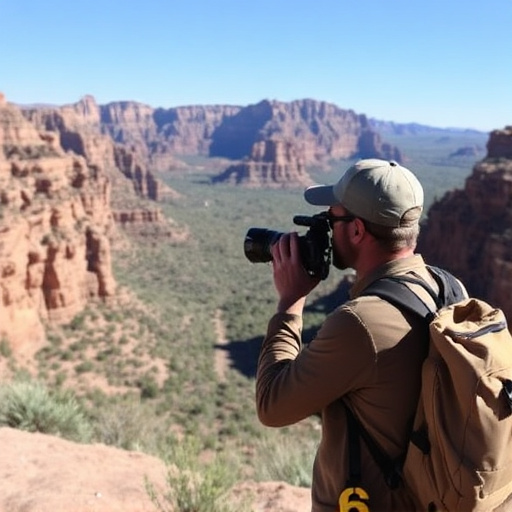
Navigating Arizona's Natural Wonders: Safety & Etiquette Tips
Arizona's breathtaking landscapes, from the towering peaks of the high country to the vast expanses of desert, are a draw for visitors worldwide. Whether you're planning a scenic drive through southern Arizona or an adventure into Monument Valley, understanding local safety and etiquette practices is essential. First-time visitors often find themselves captivated by the raw beauty of the state, but it's crucial to approach these natural wonders with respect and preparation.
One of the most iconic experiences in Arizona is a trip to Monument Valley, renowned for its distinctive red sandstone buttes and mesas. When exploring areas like this, stay on designated trails to avoid eroding the fragile landscape. Remember to keep a safe distance from wildlife; while encounters with animals like coyotes or bighorn sheep are possible, approaching them closely can be dangerous and disrupt their natural behavior. Carrying water is vital, especially during the hotter months, as the Arizona heat can be intense. A private Sonoita wine tour service, for instance, often includes guidance on hydration, reflecting the region's knowledge of local conditions.
In the high country, such as the rugged terrain of the Chiricahua National Monument, the landscape presents a different set of challenges. Hiking trails here can be steep and rugged, so proper footwear and a good map are essential. Respect for local flora and fauna is paramount; some plants may be toxic, and certain animals, like pikas, are sensitive to human presence. Following the lead of experienced guides or park rangers can greatly enhance your experience while ensuring you stay safe and minimize your impact on the environment.
Frequently Asked Questions About tips for first time visitors to Arizona
What are the best times to visit Arizona?
Arizona offers a variety of experiences year-round, but the best times for a visit are generally spring (March to May) and fall (September to November). During these seasons, temperatures are mild, with daily highs around 70-85F (21-29C), making outdoor activities comfortable. Spring is especially popular for its wildflower blooms, while fall offers vibrant foliage. Summer can be very hot, with temperatures exceeding 100F (38C) in many areas, and winter is mild but can bring snow to higher elevations.
Where should I stay when visiting Arizona?
For a comfortable and convenient stay, consider a full-service RV park like the Manzanos RV Park near Silver City. It offers full hookups, pull-through sites, and tree-shaded spaces, plus easy access to historic downtown Silver City and nearby hiking trails. Located in the foothills of the Gila National Forest, it's a great base for exploring Arizona's natural beauty.
What are some must-see natural attractions in Arizona?
Arizona boasts stunning natural landscapes. Top attractions include the Grand Canyon National Park, Sedona's red rock formations, the Petrified Forest National Park, and the White Sands National Park, known for its unique white gypsum sand dunes. Don't miss the many state parks, such as Camelback Mountain in Phoenix, and the scenic drives along routes like Highway 191 and the Apache Trail.
What outdoor activities are popular in Arizona?
Arizona offers a plethora of outdoor activities, from hiking and camping in numerous state and national parks to rock climbing in Sedona, and stargazing in dark sky parks. You can also enjoy hot air balloon rides, horseback riding through canyons, whitewater rafting, mountain biking, and golf on world-class courses. Summer brings opportunities for swimming, kayaking, and other water sports in lakes and reservoirs.
Are there any cultural events or festivals I should know about?
Arizona has a vibrant cultural scene with events year-round. The Phoenix Open golf tournament, the Sedona Jazz Festival, and the Tucson Folk Festival are just a few highlights. The state also hosts numerous art shows, food and wine events, and historical re-enactments. Check local calendars for specific dates and locations.
What local cuisine should I try while in Arizona?
Arizona's culinary scene reflects its diverse cultural influences. Try authentic Sonoran Mexican cuisine, including tacos, burritos, and chiles rellenos, especially in Tucson and the southern part of the state. For a unique experience, sample the state's famous green chili, or enjoy a steak cooked over a wood fire in the many steakhouse restaurants. Don't forget to try local craft beers and unique cocktails.
As you plan your Arizona adventure, you've gained insights into three key areas: essential preparations for your trip, the unique charm of southern Arizona's wine country, and the breathtaking cultural wonders of Monument Valley and beyond. Combining these elements will ensure a rich and rewarding journey.
Understanding the best times to visit, staying safe in Arizona's extreme heat, and packing the right water and supplies will significantly enhance your experience, whether exploring state parks, natural wonders, or historic sites like Tombstone.
When visiting Monument Valley, be prepared for its vast, awe-inspiring landscapes that have captivated filmmakers and visitors alike. Remember to respect the cultural significance of the area and adhere to ethical wildlife-watching practices.
Finally, consider day trips from your base in Phoenix or Tucson to Sedona, Tubac, or the Petrified Forest National Park to diversify your itinerary. These excursions offer a deeper examine Arizona's diverse geological history, artistic communities, and ecological diversity.
By synthesizing these key learnings and incorporating them into your travel plans, you'll create unforgettable memories, fully embracing the unique charm of Arizona.
Arizona Adventure Planning: Essential Tips
- Acclimatization: Prepare for desert conditions. Pack light, breathable clothing for warm days and a jacket for cooler evenings. Stay hydrated and follow weather forecasts.
- Timing Your Visit: Spring and fall offer mild temperatures ideal for hiking. Summer is scorching, and winter can be unpredictable, with sudden monsoons.
- Explore Southern Arizona's Wine Country: Experience vibrant communities, historic towns, and scenic landscapes. Plan a car trip along routes like AZ 83 or SR 57 for stunning views of Chiricahua National Monument and the Huachuca Mountains.
- Monument Valley Etiquette & Safety:
- Stay on designated trails to protect the fragile landscape.
- Maintain a safe distance from wildlife.
- Carry water, especially in hotter months.
- Respect local flora and fauna, following guides' advice in areas like Chiricahua National Monument.
- Local Knowledge is Key: Tour guides recommend planning according to seasons and weather. Check forecasts, bring water, and consider guided tours for deeper insights.