
The American Southwest, with its rugged landscapes and rich history, is a magnet for travelers seeking unique experiences. Within Arizona, small historic towns dot the landscape, each weaving a narrative of the state's diverse past. From the grand vistas of Monument Valley to the vibrant art scenes of Tubac, these lesser-known options offer a glimpse into Arizona's cultural mix.
However, planning a trip to these lesser-known destinations can be challenging, especially for those unfamiliar with the region. This guide aims to empower travelers by providing a roadmap to discover Arizona's small historic towns, ensuring a memorable journey through its diverse attractions, from natural wonders like Petrified Forest National Park to charming cultural hubs like Bisbee.
- Discovering Arizona's Lesser-known options: A Cultural Journey
- Exploring Historic Towns: Architecture & Heritage
- Off the Beaten Path: Nature & Monument Valley Escapades
- Local Flavors: Food, Wine, and Craft Beer Experiences
Discovering Arizona's Lesser-known options: A Cultural Journey
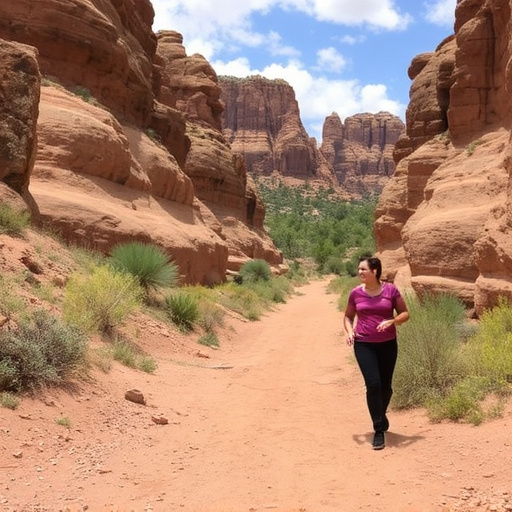
Exploring Arizona's lesser-known options offers a cultural journey that goes beyond the well-trodden paths. While Monument Valley often captures the state's essence with its iconic mesas and buttes, countless other small historic towns merit your attention. These destinations, nestled within breathtaking landscapes and rich in character, provide a unique glimpse into Arizona's past.
Consider Bisbee, a former copper mining town now known for its vibrant art scene and historic architecture. Or, visit Jerome, a ghost town preserved as a living museum, offering a captivating glimpse into Arizona's mining history. These towns, like many others, are spread across the state, each with its own narrative waiting to be discovered. A great way to immerse yourself in these stories is through scenic drives, such as the one through the heart of the Sonoran Desert, where you can stop at local landmarks and soak in the distinct desert charm.
A Tucson-based tour company specializing in electric vans can guide you through these lesser-known options. They can provide insights into the region's history and point out spots often overlooked by the typical tourist. National parks like Petrified Forest and Saguaro National Park, while not the focus of this journey, are within reach and offer additional context to your cultural exploration. Remember, the best time to visit Arizona is during the cooler months, avoiding the intense summer heat, and always consider the impact of monsoon season on your travel plans. Always pack plenty of water when hiking, especially in the hotter months, and be aware of the state's diverse wildlife.
Exploring Historic Towns: Architecture & Heritage
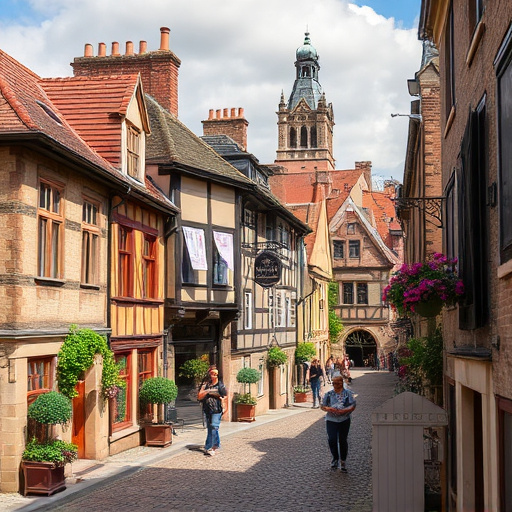
Exploring the architectural and cultural heritage of small historic towns in southern Arizona is a traveler's delight. From the iconic adobe buildings of Tucson to the striking Monument Valley landscapes, each town tells a unique story. These charming destinations offer a glimpse into Arizona's rich past, where Native American cultures, Spanish missions, and pioneer life intertwine.
One of the best ways to experience this is by strolling through the historic districts of places like Bisbee and Tombstone. The narrow streets lined with vintage buildings transport you back in time. Bisbee, known for its rich mining history, showcases stunning Victorian architecture, while Tombstone preserves its Old West charm with well-preserved saloons and the famous O.K. Corral. For art enthusiasts, Tubac's historic village boasts a vibrant art scene with galleries and studios, attracting artists and visitors alike.
A local southern Arizona tour guide recommends immersing yourself in the local culture and engaging with the communities. Many towns host annual festivals celebrating their heritage, such as the Tucson Folk Festival, showcasing local music and crafts. Exploring these historic sites offers not just a visual treat but also a chance to interact with locals who are proud of their town's history. A visit to the Kartchner Caverns in the Sonoran Desert provides a glimpse into Arizona's geological past while supporting a thriving local tourism economy.
Off the Beaten Path: Nature & Monument Valley Escapades
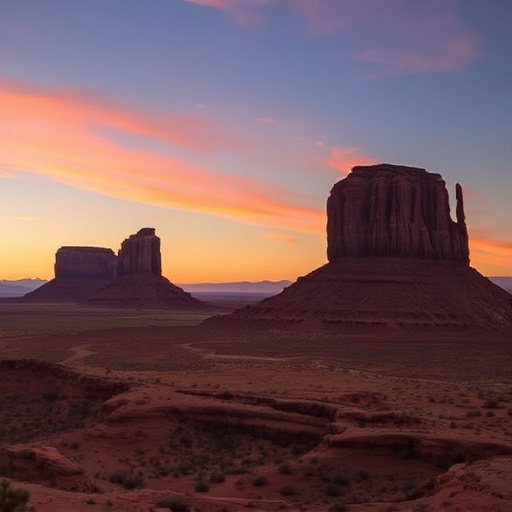
For travelers seeking a genuine, off-the-beaten-path experience in Arizona, exploring Monument Valley goes beyond the well-trodden paths of the Grand Canyon and Sedona. This iconic landscape, characterized by towering sandstone buttes and mesas, offers a unique blend of natural beauty and cultural significance that can be fully appreciated on a day trip or scenic drive.
Just an hour and a half from Page, Monument Valley's heart lies within the Navajo Nation, making it a captivating destination for immersing oneself in the region's rich Native American history. A day trip to Monument Valley can include a guided tour through the valley, where visitors learn about the area's cultural significance and gain a deeper understanding of the Navajo people's deep connection to the land. The Monument Valley Tribal Park offers several hiking trails, allowing adventurers to explore the towering sandstone formations up close. Keep an eye out for the diverse Arizona wildlife, including desert bighorn sheep and various bird species, that call this rugged terrain home.
For a truly memorable experience, consider combining a Monument Valley day trip with a visit to nearby national parks. The Petrified Forest National Park, for instance, showcases millions of years of geological history with its colorful petrified wood and vast desert landscapes. Even a short drive from Monument Valley, this national treasure offers a stark contrast to the towering sandstone formations, providing a well-rounded natural experience. And for those interested in a more comprehensive Arizona state parks itinerary, Monument Valley's proximity to Sedona and the Grand Canyon makes it a strategic base for exploring several of the state's most breathtaking natural wonders.
When planning your Monument Valley escapade, remember to check with local tour operators, such as Eco Buzz Tours, for expert guidance on the best times to visit. The Arizona monsoon season, for example, brings dramatic cloud formations and lush vegetation, while winter offers clear skies and cooler temperatures for a more comfortable exploration of the region. Always pack plenty of water and be prepared for varying desert conditions, ensuring a safe and enjoyable off-the-beaten-path adventure in Monument Valley.
Local Flavors: Food, Wine, and Craft Beer Experiences

Exploring Arizona's small historic towns offers a unique blend of culture, history, and local flavors, especially for culinary experiences. The state's vast desert landscapes provide a backdrop for distinctive food and drink scenes that reflect the region's rich heritage. From the iconic Monument Valley to scenic drives through the Sonoran Desert, these towns offer travelers a chance to examine the local culinary culture.
Tucson, known for its vibrant food scene, is a gateway to the Southwest's best culinary treasures. A Tucson-based tour company specializing in electric van rentals allows visitors to explore local restaurants and breweries with a sustainable twist. The city's diverse food landscape ranges from traditional Mexican cuisine, with its vibrant flavors and fresh ingredients, to innovative modern dishes that celebrate the region's agricultural bounty. Wine lovers will find a growing selection of local wineries and craft breweries, many of which offer tastings and tours, showcasing Arizona's emerging wine industry. The Kartchner Caverns area, a natural wonder in itself, is home to several wineries, providing a unique pairing of underground exploration and fine wine.
Small towns like Bisbee and Sedona have embraced their historic charm while cultivating a thriving culinary scene. Bisbee, with its rich mining history, boasts a number of unique eateries featuring local produce and artisanal crafts. Sedona, surrounded by red rock formations, is renowned for its health and wellness culture, reflected in its diverse menu of vegetarian, vegan, and organic restaurants. A scenic drive through the desert to Sedona's hiking trails can easily be followed by a tasting tour of the town's microbreweries and craft distilleries. Monument Valley, though not a culinary destination itself, is within reach for a day trip from Sedona, offering a complete immersion in the region's natural beauty and distinctive flavors.
When visiting these towns, travelers should expect to encounter a variety of unique food experiences, from farm-to-table restaurants featuring locally sourced ingredients to pop-up food events showcasing the creativity of the region's chefs. Keeping in mind the desert climate, it's essential to stay hydrated and carry enough water during hikes or scenic drives. Arizona's small historic towns offer not only a journey through time but also a culinary adventure that highlights the best of the region's local flavors, all set against the breathtaking landscapes of the desert and Monument Valley.
Frequently Asked Questions About a guide to small historic towns in Arizona
What are small historic towns in Arizona known for? These towns offer a glimpse into Arizona's rich cultural heritage, boasting well-preserved historic districts, unique architecture, and a strong sense of community. From their early days as mining and farming centers to their current status as tourist destinations, they showcase the state's diverse history and charm. Each town has its own distinct character, with stories to tell from the past.
How do I find the best small historic towns to visit? Focus on towns with recognized historic districts or those that have been featured in travel guides or local publications for their historical significance. Research online resources and travel forums for recommendations and personal experiences. Consider your interests-whether you're into history, architecture, or outdoor activities-and look for towns that align with those preferences.
What makes a town "small" in this context? While there's no strict definition, small historic towns in Arizona generally have a limited population, often under 2,000 residents. They are typically centered around a main street or historic district, where the majority of attractions and services are located, making them walkable or easily explorable by bike.
Are there any notable historic sites I should not miss? Many of these towns preserve unique landmarks, such as historic churches, old courthouses, or pioneering homes. Keep an eye out for well-marked walking tours that highlight these sites. Each town has its own treasures, so be sure to explore locally led tours or visit the town's historical society for insider knowledge.
How do I plan activities in these towns? Small historic towns often offer a mix of cultural attractions, outdoor adventures, and local cuisine. Check online or ask at the local visitor center for event calendars and recommendations. Many towns host festivals, art shows, or historical re-enactments throughout the year.
Can I find modern amenities in these towns? While preserving their historic charm, many small towns have updated their amenities to cater to visitors. You'll likely find basic conveniences like restaurants, cafes, and gift shops. For more specialized needs, larger towns nearby offer additional services.
What is the best time to visit these towns? Arizona's small historic towns are year-round destinations, but spring (March to May) and fall (September to November) offer pleasant weather for exploring. Summer can be hot, while winter brings cooler temperatures but less crowds. Check local event calendars, as some towns have seasonal festivals that draw visitors.
As you plan your journey through Arizona, the state's small historic towns offer a rich mix of culture, history, and natural beauty. From the architecturally stunning buildings in Sedona to the diverse wildlife and geological formations of Monument Valley, each destination provides a unique experience.
By venturing off the beaten path, you'll discover lesser-known options like Bisbee and Tombstone, where the past comes alive with ghost town charm and rich historical narratives. Engage in local flavors, from the vibrant art scene in Tubac to the crafting beer breweries in Tucson, offering a taste of the region's diverse culinary culture.
For nature enthusiasts, Arizona's state parks, such as Picacho Peak, provide breathtaking landscapes and opportunities for outdoor exploration. The Monument Valley region, with its iconic sandstone buttes, offers unforgettable views and a chance to connect with the area's profound cultural significance.
Incorporating these diverse experiences into your itinerary ensures a well-rounded journey. Whether you're a history buff, an outdoor enthusiast, or a foodie, Arizona's small historic towns deliver an authentic and enriching travel experience, leaving lasting memories.
Exploring Arizona's lesser-known options offers a cultural journey beyond the usual paths, featuring small historic towns rich in character and breathtaking landscapes. Key destinations like Bisbee, Jerome, and Tubac showcase unique architecture, art, and historical narratives. Monument Valley, while iconic, is just one highlight; scenic drives through the Sonoran Desert and nearby national parks enhance the experience.
Small towns offer immersive cultural exploration, including vibrant art scenes, historic architecture, and local culinary experiences that reflect the region's diverse heritage. Tucson, Sedona, and Bisbee provide distinct food and drink scenes, from traditional Mexican cuisine to innovative modern dishes and local wines.
For a genuine off-the-beaten-path experience, consider Monument Valley day trips, guided tours, and hiking trails, keeping in mind the impact of monsoon season. Always pack plenty of water for desert adventures.