Arizona Travel Tips: Navigating the Grand Canyon State
Introduction
Traveling through Arizona offers an array of experiences, from the awe-inspiring vistas of the Grand Canyon to the rich cultural tapestry found in its cities. Arizona’s diverse landscapes and historical sites make it a unique destination for adventure seekers, history enthusiasts, and nature lovers alike. In this comprehensive guide, we will delve into the essential travel tips that will ensure you have an unforgettable journey through the Grand Canyon State. From understanding the best times to visit, how to prepare for the varied climates, and what not to miss, these tips are designed to enhance your experience and help you make the most of Arizona’s treasures.
Understanding Arizona Travel Tips
Arizona travel tips encompass a wide range of advice aimed at making your trip safer, more enjoyable, and more informative. These tips cover practical aspects such as planning your itinerary, choosing the right gear for outdoor activities, and understanding local customs and regulations. By incorporating these insights into your travel plans, you can navigate Arizona’s landscapes with confidence and ease.
Historically, Arizona has been a crossroads of cultures, from Native American tribes to Spanish explorers, and later, settlers from the United States. Each group has left an indelible mark on the state’s heritage, which is reflected in its architecture, cuisine, and festivals. Today, Arizona’s travel tips are as much about respecting this rich history as they are about embracing the modern amenities and conveniences that make travel more comfortable.
Global Impact and Trends
Arizona’s travel industry has a significant global impact, attracting visitors from around the world. The state’s reputation as a destination for outdoor activities, cultural experiences, and wellness tourism has grown steadily over the years. Key trends influencing Arizona’s travel trajectory include a surge in eco-tourism, an increased focus on wellness and health retreats, and the rise of adventure sports.
Different regions around the world are affected by Arizona’s travel trends, as best practices and innovative tourism models developed here often set industry standards. For example, sustainable tourism initiatives in Arizona have inspired similar efforts globally, highlighting the state’s role as a leader in responsible travel.
Economic Considerations
The economic impact of travel and tourism in Arizona is substantial. The industry supports a wide range of jobs, from hospitality to transportation, and contributes billions of dollars to the state’s economy each year. Market dynamics in Arizona’s travel sector are influenced by both national and global economic conditions, as well as by seasonal fluctuations in visitor numbers.
Investment patterns in Arizona’s travel industry are also noteworthy, with significant investments in infrastructure, technology, and marketing to attract a diverse range of visitors. The role of travel within the broader economic systems of Arizona is complex, with positive multiplier effects seen throughout various sectors, including retail, dining, and real estate.
Technological Advancements
Technology plays a crucial role in enhancing the travel experience in Arizona. Innovations such as GPS-guided tours, virtual reality experiences of natural wonders, and mobile apps that provide real-time information on weather, traffic, and local events are transforming how visitors explore the state. The impact of these advancements is profound, offering new ways to interact with Arizona’s landscapes and cultural sites.
Looking to the future, technological potential in Arizona’s travel industry includes the integration of artificial intelligence for personalized experiences, advancements in sustainable transportation options, and the use of big data to optimize visitor flow and resource management. These technologies hold the promise of making travel more accessible, efficient, and enjoyable for all.
Policy and Regulation
Arizona’s travel industry is governed by a comprehensive set of policies and regulations designed to ensure safety, protect the environment, and enhance the visitor experience. Key frameworks include wildlife preservation laws, land use regulations, and cultural heritage protections. These policies are crucial in maintaining the natural beauty and historical integrity of Arizona’s attractions.
Legislative efforts also focus on improving infrastructure, supporting local businesses, and promoting sustainable tourism practices. The balance between economic growth and environmental conservation is a constant challenge that these policies seek to address, with the aim of creating a thriving travel industry that can be enjoyed for generations to come.
Challenges and Criticisms
Arizona’s travel industry faces several challenges and criticisms, including issues related to over-tourism at popular sites, the need for more sustainable practices, and concerns about the preservation of local cultures and environments. Addressing these issues requires a multifaceted approach that includes community engagement, strategic planning, and ongoing monitoring of tourism impacts.
To overcome these challenges, stakeholders can implement measures such as limiting access to fragile ecosystems, investing in community-based tourism projects, and promoting off-peak travel to distribute the visitor load more evenly throughout the year. By taking proactive steps, Arizona’s travel industry can continue to grow and evolve positively, addressing criticisms and enhancing its reputation as a world-class destination.
Case Studies and Best Practices
Examples of successful initiatives in Arizona’s travel industry serve as models for other regions. For instance, the Grand Canyon’s adoption of a reservation system to manage visitor numbers is a proactive measure that has helped mitigate the impacts of over-tourism. Similarly, the promotion of lesser-known attractions across the state encourages exploration beyond the most visited sites, supporting local economies and preserving natural resources.
Best practices in Arizona’s travel industry emphasize sustainable tourism, respect for cultural heritage, and the creation of inclusive experiences for visitors of all backgrounds. These practices not only enhance the visitor experience but also contribute to the long-term viability of the travel sector in Arizona.
Conclusion
Arizona’s travel tips are a testament to the state’s commitment to providing memorable, responsible, and sustainable travel experiences. From understanding the best times to visit to embracing the latest technological advancements, these tips offer valuable insights for anyone planning a trip to this diverse and captivating region. By keeping abreast of economic trends, respecting local policies and regulations, and adopting best practices in sustainability and community engagement, travelers can contribute positively to Arizona’s rich cultural tapestry and breathtaking landscapes. Whether you’re a first-time visitor or a seasoned explorer, these tips will help ensure that your journey through the Grand Canyon State is as enriching as it is exciting.
Incorporating eco-friendly practices into your Arizona trip is crucial, focusing on reducing transportation emissions and choosing sustainable accommodation like energy-efficient hotels or local rentals. Utilize public transport or carpool, explore cities with efficient transit systems, and opt for greener activities like hiking or cycling at natural sites like the Grand Canyon. Staying in eco-hotels and responsible tourism practices help preserve Arizona's landscapes and cultural heritage; long-term sustainability relies on collaborative efforts including carbon offset programs and education.
Discover how to explore Arizona while reducing your environmental impact with our comprehensive guide. Understanding your carbon footprint during travel is the first step towards sustainable exploration. We offer practical eco-friendly tips tailored for Arizona adventurers, from responsible hiking practices to eco-conscious accommodations. Additionally, we delve into the long-term benefits and future prospects of sustainable tourism in the state. Embrace these Arizona travel tips and become a responsible explorer.
Understanding Your Carbon Footprint While Traveling
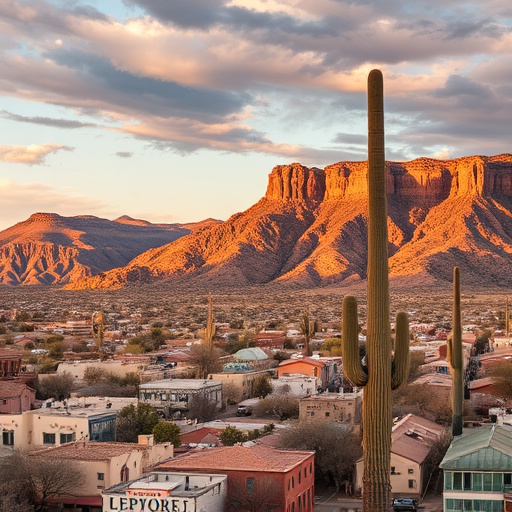
When planning your Arizona travel tips, understanding your carbon footprint is a key step in adopting eco-friendly practices. Travel has a significant environmental impact, from transportation emissions to accommodation choices. By assessing your actions, you can make informed decisions to minimize your ecological mark. Every journey produces carbon dioxide (CO2) emissions, and these contribute to climate change. Whether by air, road, or rail, the mode of transport plays a role in determining your carbon footprint. For instance, flying long distances can have a substantial impact, while local travel by car might be less polluting when compared to other options.
Accommodation choices also matter. Opting for eco-friendly hotels or vacation rentals that prioritize sustainability can significantly reduce your emissions. These establishments often use energy-efficient systems, recycle waste, and source local foods, all of which contribute to a greener travel experience. Arizona travel tips include being mindful of these aspects; you can choose activities and accommodations that align with your values, ensuring a more sustainable adventure while exploring the beauty of Arizona.
Practical Eco-friendly Tips for Arizona Explorers

When exploring Arizona, eco-conscious travelers can make a positive impact by adopting simple yet effective practices. One practical tip is to embrace public transportation or carpooling, reducing reliance on personal vehicles and minimizing emissions. Arizona’s vibrant cities like Phoenix and Tucson offer efficient transit systems, making it easy to navigate without contributing to air pollution.
Additionally, choosing sustainable accommodations is essential. Opting for eco-friendly hotels or hostels that prioritize energy efficiency and waste reduction ensures a greener stay. Arizona’s diverse landscapes also encourage active travel; consider hiking or cycling instead of driving to explore stunning natural sites like the Grand Canyon or Sedona’s red rocks. These choices not only preserve the state’s breathtaking scenery but also contribute to a healthier environment for both travelers and locals alike, making it an enriching experience for all.
Long-term Impacts and Future of Sustainable Tourism in Arizona
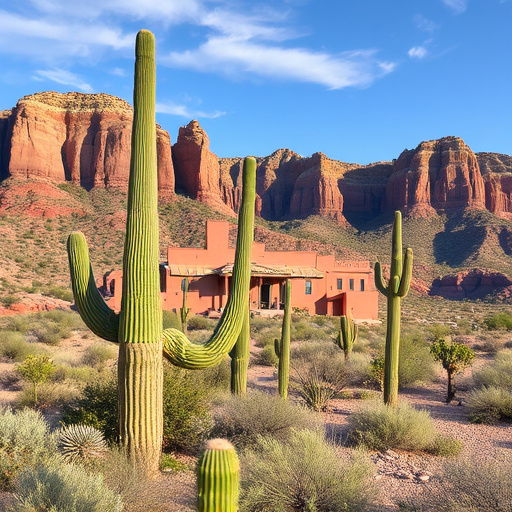
The long-term impacts of sustainable tourism in Arizona are profound, shaping both the state’s natural landscapes and cultural heritage for generations to come. By adopting eco-friendly practices, visitors can ensure that iconic locations like the Grand Canyon and the Sonoran Desert remain pristine and vibrant for future explorers. Arizona travel tips emphasize responsible activities such as staying on designated trails, properly disposing of waste, and supporting local businesses committed to sustainability.
Looking ahead, the future of sustainable tourism in Arizona hinges on collaborative efforts between visitors, communities, and conservation groups. Embracing innovative solutions like carbon offset programs, eco-lodging initiatives, and educational programs will be key to preserving Arizona’s natural beauty while fostering economic growth that benefits local communities. With a shared commitment to responsible travel, Arizona can continue to attract visitors worldwide while safeguarding its unique ecosystem for years to come.
As you explore Arizona and its natural wonders, adopting eco-friendly travel practices is a powerful way to reduce your environmental impact. By understanding your carbon footprint and implementing practical tips, such as supporting local businesses and opting for eco-conscious accommodations, you contribute to the state’s sustainable tourism future. These Arizona travel tips not only benefit the environment but also enrich your experience by fostering deeper connections with nature and local communities. Let’s collectively strive to make our adventures more sustainable and preserve Arizona’s beauty for generations to come.