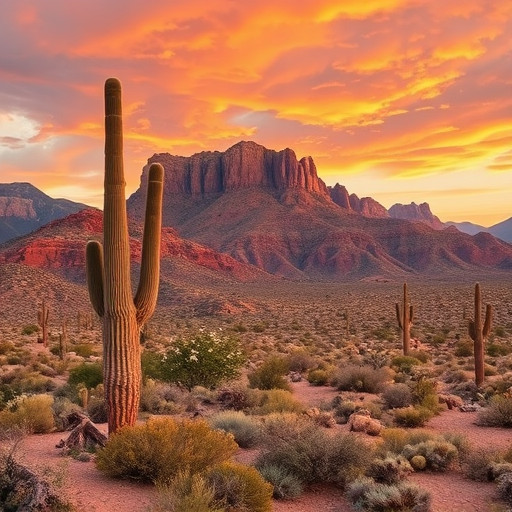
Arizona Travel Tips: Navigating the Grand Canyon State
Introduction
Traveling through Arizona offers an array of experiences, from the awe-inspiring vistas of the Grand Canyon to the rich cultural tapestry found in its cities. Arizona’s diverse landscapes and historical sites make it a unique destination for adventure seekers, history enthusiasts, and nature lovers alike. In this comprehensive guide, we will delve into the essential travel tips that will ensure you have an unforgettable journey through the Grand Canyon State. From understanding the best times to visit, how to prepare for the varied climates, and what not to miss, these tips are designed to enhance your experience and help you make the most of Arizona’s treasures.
Understanding Arizona Travel Tips
Arizona travel tips encompass a wide range of advice aimed at making your trip safer, more enjoyable, and more informative. These tips cover practical aspects such as planning your itinerary, choosing the right gear for outdoor activities, and understanding local customs and regulations. By incorporating these insights into your travel plans, you can navigate Arizona’s landscapes with confidence and ease.
Historically, Arizona has been a crossroads of cultures, from Native American tribes to Spanish explorers, and later, settlers from the United States. Each group has left an indelible mark on the state’s heritage, which is reflected in its architecture, cuisine, and festivals. Today, Arizona’s travel tips are as much about respecting this rich history as they are about embracing the modern amenities and conveniences that make travel more comfortable.
Global Impact and Trends
Arizona’s travel industry has a significant global impact, attracting visitors from around the world. The state’s reputation as a destination for outdoor activities, cultural experiences, and wellness tourism has grown steadily over the years. Key trends influencing Arizona’s travel trajectory include a surge in eco-tourism, an increased focus on wellness and health retreats, and the rise of adventure sports.
Different regions around the world are affected by Arizona’s travel trends, as best practices and innovative tourism models developed here often set industry standards. For example, sustainable tourism initiatives in Arizona have inspired similar efforts globally, highlighting the state’s role as a leader in responsible travel.
Economic Considerations
The economic impact of travel and tourism in Arizona is substantial. The industry supports a wide range of jobs, from hospitality to transportation, and contributes billions of dollars to the state’s economy each year. Market dynamics in Arizona’s travel sector are influenced by both national and global economic conditions, as well as by seasonal fluctuations in visitor numbers.
Investment patterns in Arizona’s travel industry are also noteworthy, with significant investments in infrastructure, technology, and marketing to attract a diverse range of visitors. The role of travel within the broader economic systems of Arizona is complex, with positive multiplier effects seen throughout various sectors, including retail, dining, and real estate.
Technological Advancements
Technology plays a crucial role in enhancing the travel experience in Arizona. Innovations such as GPS-guided tours, virtual reality experiences of natural wonders, and mobile apps that provide real-time information on weather, traffic, and local events are transforming how visitors explore the state. The impact of these advancements is profound, offering new ways to interact with Arizona’s landscapes and cultural sites.
Looking to the future, technological potential in Arizona’s travel industry includes the integration of artificial intelligence for personalized experiences, advancements in sustainable transportation options, and the use of big data to optimize visitor flow and resource management. These technologies hold the promise of making travel more accessible, efficient, and enjoyable for all.
Policy and Regulation
Arizona’s travel industry is governed by a comprehensive set of policies and regulations designed to ensure safety, protect the environment, and enhance the visitor experience. Key frameworks include wildlife preservation laws, land use regulations, and cultural heritage protections. These policies are crucial in maintaining the natural beauty and historical integrity of Arizona’s attractions.
Legislative efforts also focus on improving infrastructure, supporting local businesses, and promoting sustainable tourism practices. The balance between economic growth and environmental conservation is a constant challenge that these policies seek to address, with the aim of creating a thriving travel industry that can be enjoyed for generations to come.
Challenges and Criticisms
Arizona’s travel industry faces several challenges and criticisms, including issues related to over-tourism at popular sites, the need for more sustainable practices, and concerns about the preservation of local cultures and environments. Addressing these issues requires a multifaceted approach that includes community engagement, strategic planning, and ongoing monitoring of tourism impacts.
To overcome these challenges, stakeholders can implement measures such as limiting access to fragile ecosystems, investing in community-based tourism projects, and promoting off-peak travel to distribute the visitor load more evenly throughout the year. By taking proactive steps, Arizona’s travel industry can continue to grow and evolve positively, addressing criticisms and enhancing its reputation as a world-class destination.
Case Studies and Best Practices
Examples of successful initiatives in Arizona’s travel industry serve as models for other regions. For instance, the Grand Canyon’s adoption of a reservation system to manage visitor numbers is a proactive measure that has helped mitigate the impacts of over-tourism. Similarly, the promotion of lesser-known attractions across the state encourages exploration beyond the most visited sites, supporting local economies and preserving natural resources.
Best practices in Arizona’s travel industry emphasize sustainable tourism, respect for cultural heritage, and the creation of inclusive experiences for visitors of all backgrounds. These practices not only enhance the visitor experience but also contribute to the long-term viability of the travel sector in Arizona.
Conclusion
Arizona’s travel tips are a testament to the state’s commitment to providing memorable, responsible, and sustainable travel experiences. From understanding the best times to visit to embracing the latest technological advancements, these tips offer valuable insights for anyone planning a trip to this diverse and captivating region. By keeping abreast of economic trends, respecting local policies and regulations, and adopting best practices in sustainability and community engagement, travelers can contribute positively to Arizona’s rich cultural tapestry and breathtaking landscapes. Whether you’re a first-time visitor or a seasoned explorer, these tips will help ensure that your journey through the Grand Canyon State is as enriching as it is exciting.
"Discovering Arizona's Treasures" provides a comprehensive guide for tourists, focusing on essential travel tips for the Grand Canyon State. It offers insights into navigating vibrant cities like Phoenix and Tucson, exploring natural wonders such as Sedona's red rocks and the Grand Canyon, and highlights unique cultural experiences. The text emphasizes packing appropriately for diverse climates and suggests must-visit attractions, including Arizona's National Forests as photographer's paradise, and Camelback Mountain in Phoenix for stunning desert photography.
Grand Canyon National Park: Capture the Majestic Views
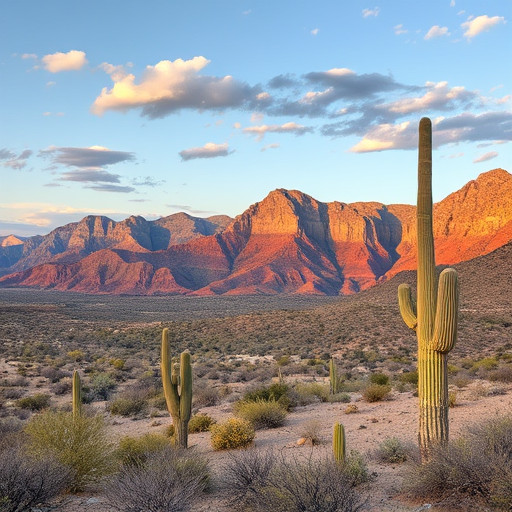
The Grand Canyon National Park in Arizona offers breathtaking landscapes that are a photographer’s dream. For stunning views, consider hiking to one of the many lookout points along the rim. The South Rim, easily accessible and popular among visitors, provides panoramic vistas of the canyon’s vast expanse. Morning light and late afternoon shadows create dramatic contrasts, transforming the canyon walls from warm hues to deep shades.
For unique perspectives, try capturing the canyon from the river level by booking a helicopter tour or rafting trip. The North Rim offers more secluded spots with less crowded backdrops, but access is limited during summer months. Arizona travel tips include planning ahead for peak seasons, as this national park attracts millions annually, ensuring you secure permits and accommodations in advance for an unforgettable experience.
Sedona's Red Rock Country: Picture-Perfect Landscapes
Monument Valley: Iconic Mesas and Buttes
Arizona's National Forests: Scenic Getaways for Photographers
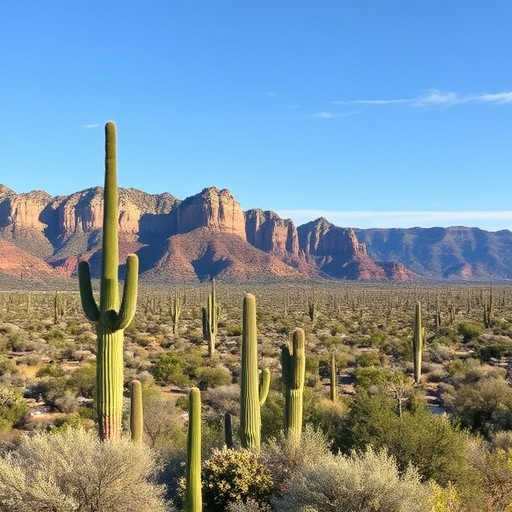
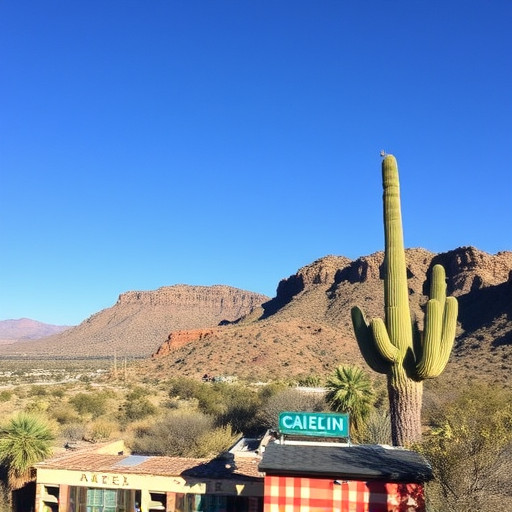
Arizona’s vast and diverse National Forests offer photographers a vibrant tapestry of scenic getaways, showcasing breathtaking landscapes that cater to every level of photographer. From towering pines and cascading waterfalls to rugged mountains and serene meadows, these forests provide the perfect backdrop for capturing stunning images. The Coconino National Forest, with its majestic red rocks and ancient mesas, is a haven for those seeking dramatic vistas. For water lovers, the Tonto National Forest, home to numerous rivers and lakes, presents opportunities to capture tranquil scenes or action-packed shots of rapids and waterfalls. Arizona’s National Forests are not just about scenic beauty; they also offer unique photo challenges, like capturing the play of light on desert plants or the intricate patterns of forest floors after a morning fog. For adventure seekers, these forests provide access to hidden spots and panoramic viewpoints that can transform any photograph into a memorable piece. Embracing Arizona’s National Forests as part of your travel itinerary is an excellent way to discover hidden gems and bring home unforgettable images, making it an essential addition to any Arizona travel tips guide.
Lake Powell and Antelope Canyon: Water Meets Rock
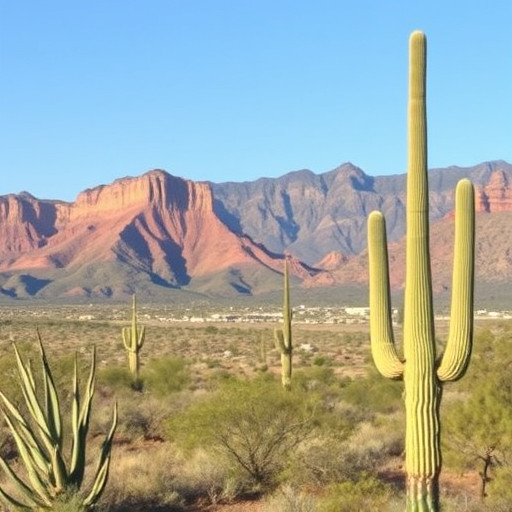
Lake Powell and Antelope Canyon offer a breathtaking interplay of water and rock, making them iconic destinations for Arizona travel tips. The vast lake, carved into the heart of the rugged canyon walls, creates a stunning contrast that photographers and nature enthusiasts alike find irresistible. During sunrise or sunset, when the sky lights up with vibrant hues, the reflection on the water adds another layer of visual magic.
Antelope Canyon, located nearby, is renowned for its slot-canyon formations that seem to dance in the light. The canyon’s narrow passageways and dramatic drop-offs provide unique angles and perspectives for capturing awe-inspiring landscapes. Both locations serve as a reminder of nature’s artistry, offering unforgettable Arizona travel experiences that leave visitors with images etched in their minds long after they’ve left.
Camelback Mountain in Phoenix: Urban Wilderness Scenery
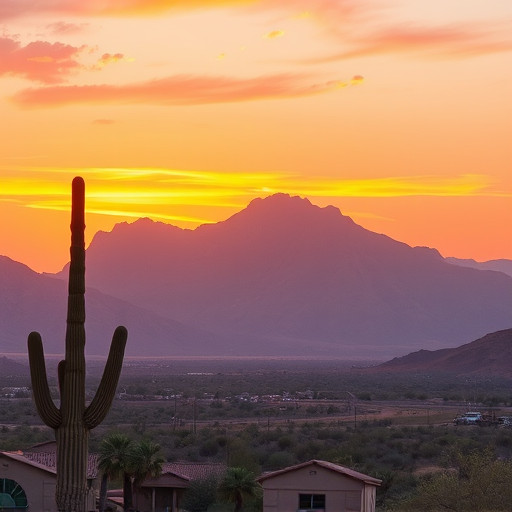
Camelback Mountain, located in Phoenix, Arizona, is a stunning example of urban wilderness scenery that offers breathtaking vistas for photographers. This iconic landmark stands tall at over 2,700 feet, presenting a challenging yet rewarding experience for adventurers and nature enthusiasts alike. The mountain’s rugged terrain and dramatic rock formations provide the perfect backdrop for capturing dramatic landscape photographs.
During sunrise or sunset, the light casts an ethereal glow on the red rocks, creating a picturesque scene that is sure to impress. For those seeking unique perspectives, hiking up the mountain offers several photo spots along the trail. The summit provides panoramic views of Phoenix and its surrounding desert landscapes, making it an indispensable destination for Arizona travel tips and scenic photography enthusiasts.