
Arizona captivates with its breathtaking natural scenery, including the iconic Grand Canyon, showcasing millions of years of geological history. The state offers diverse ecosystems, hiking trails for all levels, and cultural immersion through Native American heritage and arts scene. Optimal visit times are spring and fall for pleasant weather. Arizona Travel Tips recommend packing layers, guided tours, pre-booking accommodations, and experiencing culinary delights like farm-to-table dining and unique regional flavors. Explore national parks, luxury resorts, and eco-friendly retreats for unforgettable adventures.
Arizona’s diverse landscapes and rich cultural heritage offer travelers a unique blend of experiences—from the Grand Canyon’s awe-inspiring vistas to the vibrant art scene in Phoenix. However, navigating these diverse attractions can be overwhelming for first-time visitors. This article provides an authoritative guide to help you optimize your Arizona travel tips, showcasing hidden gems alongside iconic landmarks. We’ll explore off-the-beaten-path adventures, culinary delights, and cultural events that define the state’s distinct character. By the end, you’ll be equipped with the knowledge to create unforgettable memories in this captivating destination.
- Unveiling Arizona's Natural Wonders: Grand Canyons and Beyond
- Cultural Immersion: Native American Heritage & Arts Scene
- Desert Escapes: Unique Accommodations & Outdoor Adventures
- Taste of Arizona: Culinary Delights from Phoenix to Sedona
Unveiling Arizona's Natural Wonders: Grand Canyons and Beyond
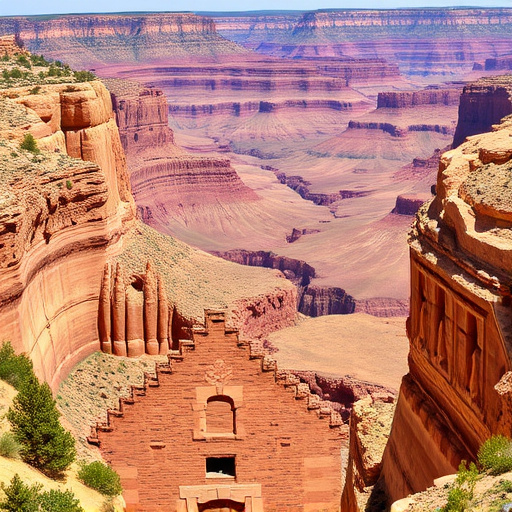
Arizona is renowned for its breathtaking natural landscapes, which attract millions of visitors each year. Among these, the Grand Canyon stands as an iconic symbol of the state’s awe-inspiring beauty. This immense gorge, carved by the Colorado River, stretches over 277 miles, reaching depths of almost a mile, and showcases layers of colorful rock that reveal millions of years of geological history. Visiting the Grand Canyon isn’t just about gazing at its grandeur; it involves exploring diverse ecosystems, from desert floors to alpine forests, via trails catering to various skill levels. For instance, the South Rim offers easier access and boasts observation decks like Mather Point, providing panoramic views, while the North Rim presents steeper terrain and more secluded vistas.
Beyond the Grand Canyon, Arizona boasts other natural wonders that merit exploration. Sedona’s red rocks, known as the Red Rock Country, captivate visitors with their dramatic formations and spiritual energy. The region offers numerous hiking trails amidst these towering buttes, such as Bell Rock and Cathedral Rock, which provide opportunities for breathtaking sunrise or sunset hikes. Additionally, Arizona’s diverse national parks include Saguaro National Park, home to iconic saguaro cacti, and Monument Valley, characterized by its distinctive mesas and buttes that have been featured in countless films.
When planning an Arizona trip, incorporating these natural wonders requires strategic timing and preparation. Spring (March–May) and fall (September–November) offer the most pleasant weather for outdoor activities. Ensuring you’re equipped with appropriate footwear, water, and sun protection is crucial, especially during summer hikes. Arizona Travel Tips recommend packing layers to adapt to changing temperatures at higher elevations. Moreover, considering guided tours can enhance your experience, providing insights into the region’s geology, history, and ecology. Whether exploring the vast canyon systems or wandering through the enchanting red rock landscapes, these natural wonders promise unforgettable adventures that capture the essence of Arizona.
Cultural Immersion: Native American Heritage & Arts Scene
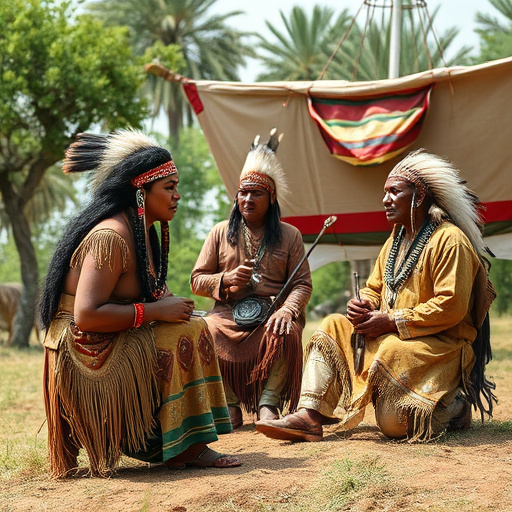
Arizona offers a rich tapestry of cultural immersion opportunities, particularly when delving into its Native American heritage and vibrant arts scene. This is not just a surface-level experience; it’s a deep dive into the heart of Arizona’s history and diversity. One of the best ways to start is by visiting the numerous Native American museums and cultural centers scattered across the state. The Heen-Kah-Say Heritage Center in Tuba City showcases the Navajo, Hopi, and Ute cultures with exhibits that include traditional crafts, stories, and artifacts. Similarly, the Museum of Northern Arizona in Flagstaff provides a comprehensive look at the region’s prehistoric and historic indigenous communities.
For an authentic experience, participating in local festivals and events is essential. The Desert Spirit Festival in Sedona, for instance, celebrates Native American art, music, and spiritual practices. These gatherings not only offer insights into traditional arts but also provide Arizona travel tips for navigating these cultural hotspots. Additionally, many tribes host ceremonies and performances throughout the year, allowing visitors to witness ancient traditions like dance rituals and storytelling sessions. Engaging with local artisans at markets and workshops is another way to immerse oneself; their works, ranging from pottery and jewelry to woven textiles, are testaments to time-honored crafts.
The Arizona arts scene further enriches cultural immersion. Phoenix’s historic Heritage Square hosts diverse events year-round, featuring local musicians, artists, and performers. Tucson’s vibrant downtown area is home to numerous galleries showcasing contemporary Native American art, while the annual Tucson Festival of Books celebrates literary talent with a focus on indigenous voices. Exploring these cultural facets not only provides an unforgettable travel experience but also fosters a deeper appreciation for Arizona’s rich tapestry of heritage and artistic expression.
Desert Escapes: Unique Accommodations & Outdoor Adventures
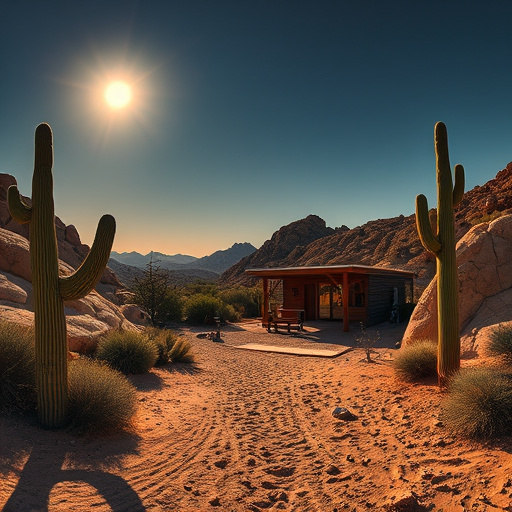
Arizona’s desert landscapes offer a unique travel experience with accommodations and outdoor adventures that cater to adventurous spirits seeking something extraordinary. From luxury resorts seamlessly integrated into the canyon walls to eco-friendly retreats nestled among towering cacti, Arizona provides a diverse range of options for those looking beyond typical hotel stays. One such notable example is the Canyon Ranch Resort in Sedona, offering spa treatments, gourmet dining, and heli-skiing experiences all within the red rock country.
For the true outdoors enthusiast, Arizona’s national parks present endless opportunities. Hiking through the Sonoran Desert, exploring slot canyons in Page, or venturing into the vastness of the Grand Canyon are once-in-a-lifetime adventures. Camping under the stars, stargazing in dark sky parks like Cherry Springs, and enjoying guided tours with local experts add to the allure. Arizona Travel Tips suggest pre-booking accommodations and permits for popular destinations during peak seasons to ensure a smooth experience.
Desert escapes also provide unique culinary delights. From farm-to-table restaurants showcasing regional produce to pop-up dinner experiences in remote locations, foodies will find themselves immersed in a gastronomic adventure. Local chefs often incorporate ingredients like mesquite-grilled meats, native cacti, and foraged desert herbs into their menus, offering a taste of the region that cannot be replicated elsewhere. These immersive experiences, combined with the state’s breathtaking landscapes, make Arizona an ideal destination for those seeking authentic, memorable trips.
Taste of Arizona: Culinary Delights from Phoenix to Sedona

Arizona is a culinary haven, offering travelers a unique taste of the Grand Canyon State through its diverse and dynamic food scene. From Phoenix to Sedona, the state boasts an array of experiences that cater to every palate. One of the best ways to immerse yourself in Arizona’s culinary culture is by exploring local markets, where fresh produce meets innovative cuisine. The Phoenix Public Market, for instance, showcases over 100 vendors offering everything from artisanal cheeses to Native American crafts, while Sedona’s Oak Creek Farmers Market provides a vibrant setting for tasting regional specialties like lavender honey and locally grown herbs.
For a more formal dining experience, Arizona Travel Tips suggest reserving a table at one of the state’s award-winning restaurants. Chef Michael Minin’s Herbs & Rye in Phoenix is renowned for its farm-to-table cuisine, utilizing seasonal ingredients to create dishes that celebrate Arizona’s rich agricultural heritage. In Sedona, the Red Rock Café offers breathtaking views alongside breakfast burritos and homemade granola, providing a truly memorable dining encounter. Wine lovers will also find much to indulge in; Arizona boasts over 100 wineries, many of which offer tastings and tours, allowing visitors to sample the state’s thriving viticulture industry.
Beyond traditional cuisine, Arizona’s food scene reflects its diverse cultural tapestry. Native American flavors blend with Mexican influences, creating dishes like the popular Navajo taco or the flavorful chorizo-stuffed poblano peppers. Additionally, the state’s abundant wildlife provides opportunities for unique culinary experiences, such as rattlesnake stew or elk sausage samples at local events. Engaging in these culinary adventures not only satisfies your taste buds but also offers a deeper connection to Arizona’s rich cultural and natural heritage.
Arizona offers a captivating blend of natural wonders, rich cultural heritage, and unique culinary experiences, making it an unforgettable travel destination. From the awe-inspiring Grand Canyon to the vibrant Native American arts scene, the state’s diverse attractions provide invaluable Arizona travel tips for visitors seeking authentic adventures. For outdoor enthusiasts, desert escapes offer luxurious accommodations nestled in breathtaking landscapes, while foodies can indulge in a taste of Arizona’s burgeoning culinary scene, from Phoenix’s dynamic restaurants to Sedona’s enchanting dining experiences. By embracing these unique offerings, travelers can truly immerse themselves in the heart of Arizona, creating memories that echo far beyond their journey.

